
Before you subscribe to land or a house
A structured checklist for verifying land, housing and estate purchase decisions in Nigeria.
Read article
A structured checklist for verifying land, housing and estate purchase decisions in Nigeria.
Read article
How to prepare for an initial affordability review before proceeding with a home-financing application.
Read article
A practical field checklist for comparing a property with its documents and marketing descriptions.
Read article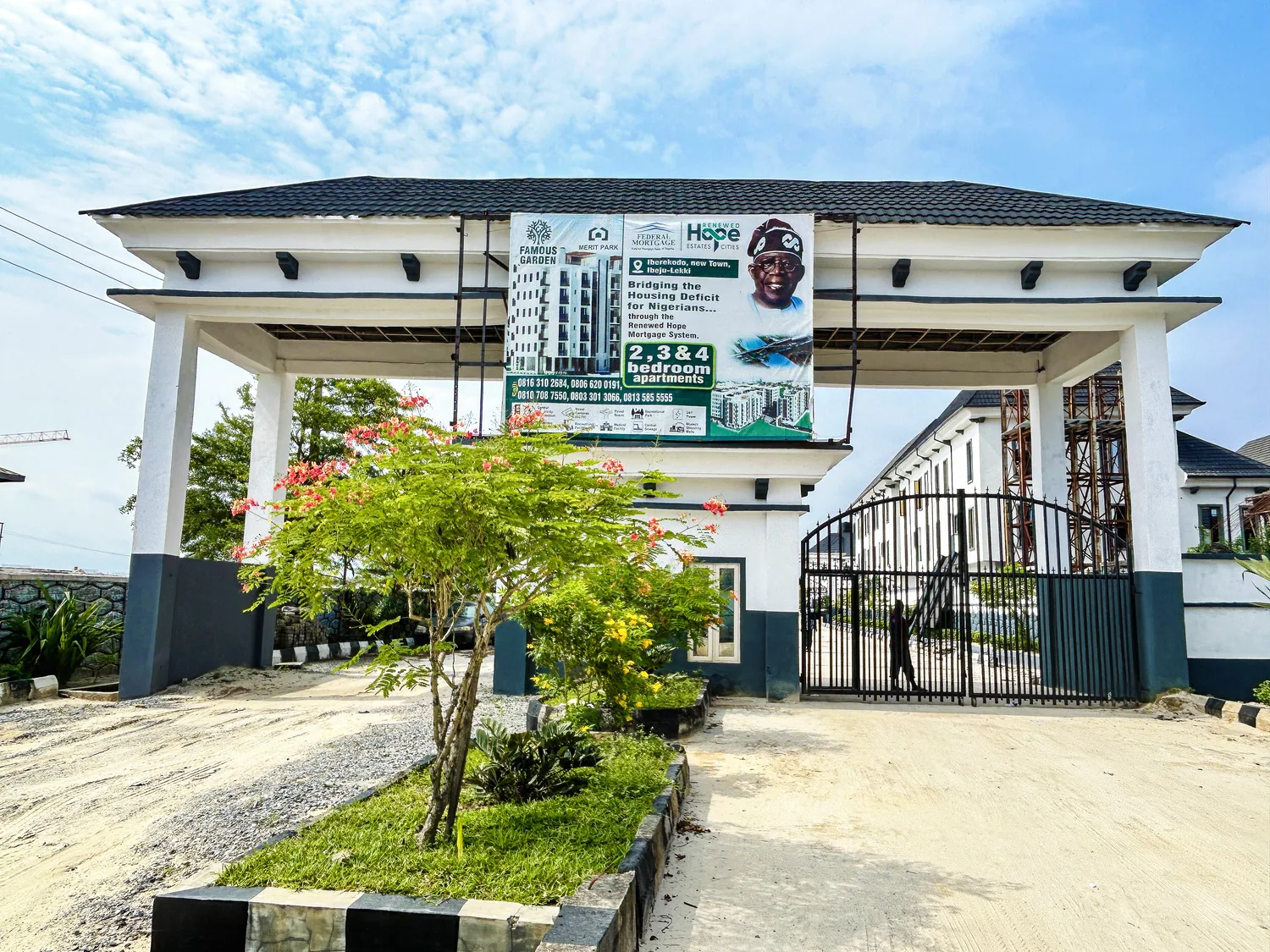
INSIGHTS / LOCATIONS & DEVELOPMENT
Research access, land conditions and development claims along a growing corridor.
A specific site visit in the Lekki to Epe corridor is more informative than a broad corridor claim. Verify road access, land conditions, the precise estate boundaries and actual infrastructure delivery.
Expanding corridors can include varied site conditions and infrastructure readiness; a location near a proposed development does not guarantee its benefit. Before proceeding, identify the exact decision you need to make and separate relevant facts from sales claims. A useful first step is to write down what you know today, who provided the information and which points still require a reliable source. That simple record gives later discussions a reference point, especially when financial commitments or property documentation are involved.
Request precise coordinates, survey details, title evidence, actual estate boundaries and documented infrastructure status. Request current documents that identify the property, person or organization responsible, transaction structure, significant financial obligations and applicable time frames. A marketing brochure alone is not enough. The documents appropriate to a particular opportunity depend on the property type, location and legal arrangement; seek qualified independent advice when the matter is material.
Inspect roads and drainage in person, measure normal travel times and ask how utilities, security and ongoing charges will be managed. Use the same criteria when comparing options. Look beyond a single attractive feature to consider the full cost, timeframe, ongoing responsibilities and how the proposed arrangement fits your personal goals. A written comparison makes hidden trade-offs easier to notice and helps prevent a promotional claim from taking the place of genuine analysis.
What exactly is being offered? What is excluded? Who is authorized to make commitments? Which documents support the important claims? When do payment, delivery or other responsibilities arise? Request precise coordinates, survey details, title evidence, actual estate boundaries and documented infrastructure status. Request clear written responses where possible. Keep copies and note the date of each material statement. If an answer changes, ask for an explanation rather than assuming earlier information is still correct.
Advertised distance to landmarks may differ from road-network travel time, and future projects may be delayed or redesigned. Risks may arise from incomplete records, changing prices, conditions that differ from photographs, delays, or misunderstandings about the rights being acquired. List the potential impact of each uncertainty and the evidence that would reduce it. An unresolved question is useful information; it should not automatically be treated as a minor administrative issue.
Create a short checklist specific to the opportunity. It should cover the people involved, exact asset or service, location, documented terms, total cost, important deadlines, available independent checks and a contact for follow-up. Inspect roads and drainage in person, measure normal travel times and ask how utilities, security and ongoing charges will be managed. Keep the checklist next to the contract or application material and mark items complete only when there is enough reliable evidence.
Compare a location’s current usability and documentation alongside any long-term prospects. If the decision involves real property, consider an appropriate inspection and independent legal or surveying review. If it involves finance or investment, confirm current lender or issuer terms, fees and risk disclosures. Landshop’s Develop, Incubate and Grow routes are different journeys; choose the one suited to your goal, but do not treat a submitted online form as an automatic approval or promise of results.
A well-informed property decision balances opportunity with the information needed to understand it. Rather than rushing to resolve uncertainty through assumptions, use genuine documentation, realistic comparisons and professional guidance where necessary. Expanding corridors can include varied site conditions and infrastructure readiness; a location near a proposed development does not guarantee its benefit. The strongest outcome is a decision you can explain clearly: what you are choosing, which risks you accept, what remains uncertain and how you verified the most important claims.

Join the discussion.
Read approved comments and share your perspective. Submissions are reviewed before appearing publicly.
Loading comments…