
Before you subscribe to land or a house
A structured checklist for verifying land, housing and estate purchase decisions in Nigeria.
Read article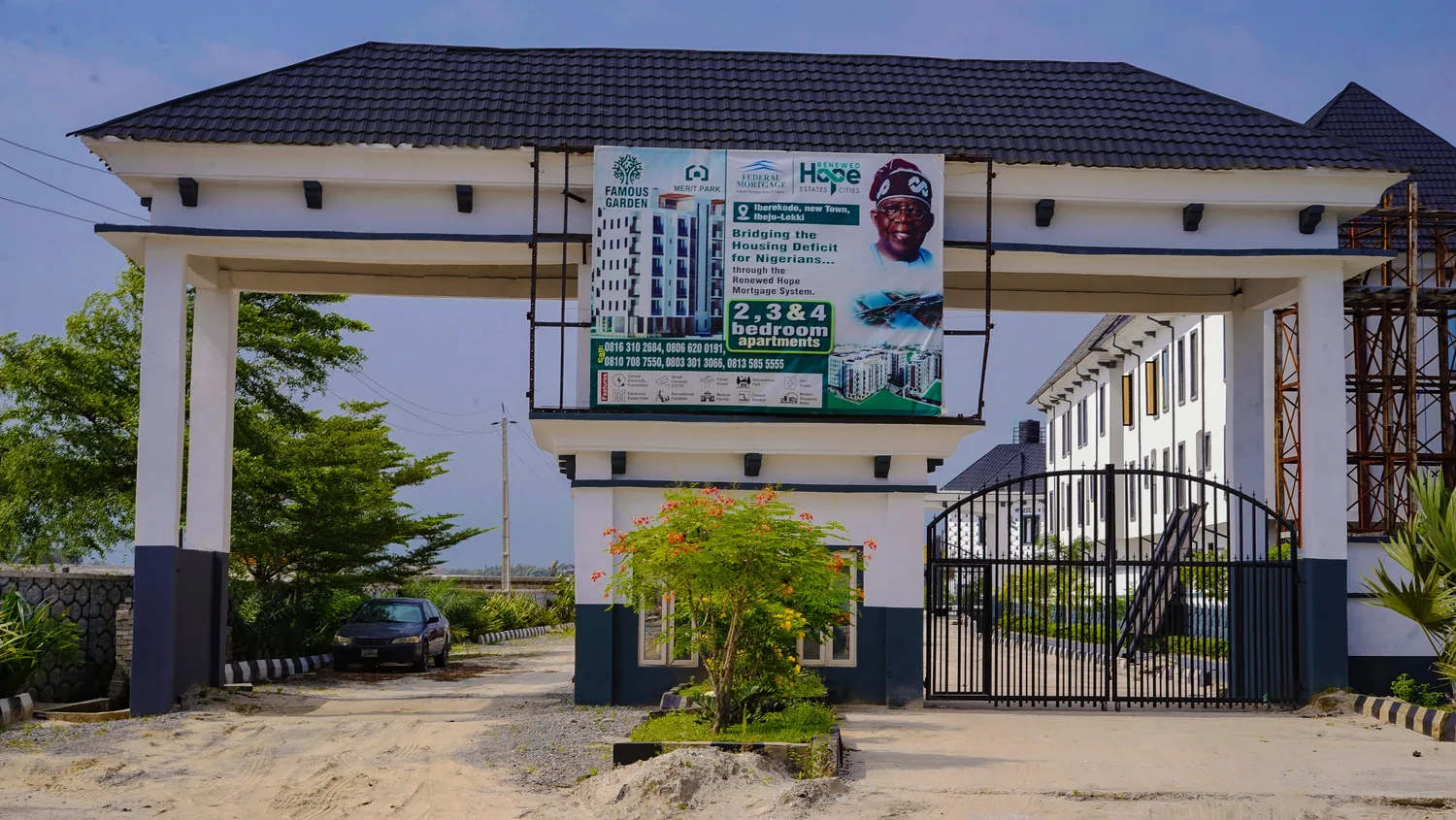
A structured checklist for verifying land, housing and estate purchase decisions in Nigeria.
Read article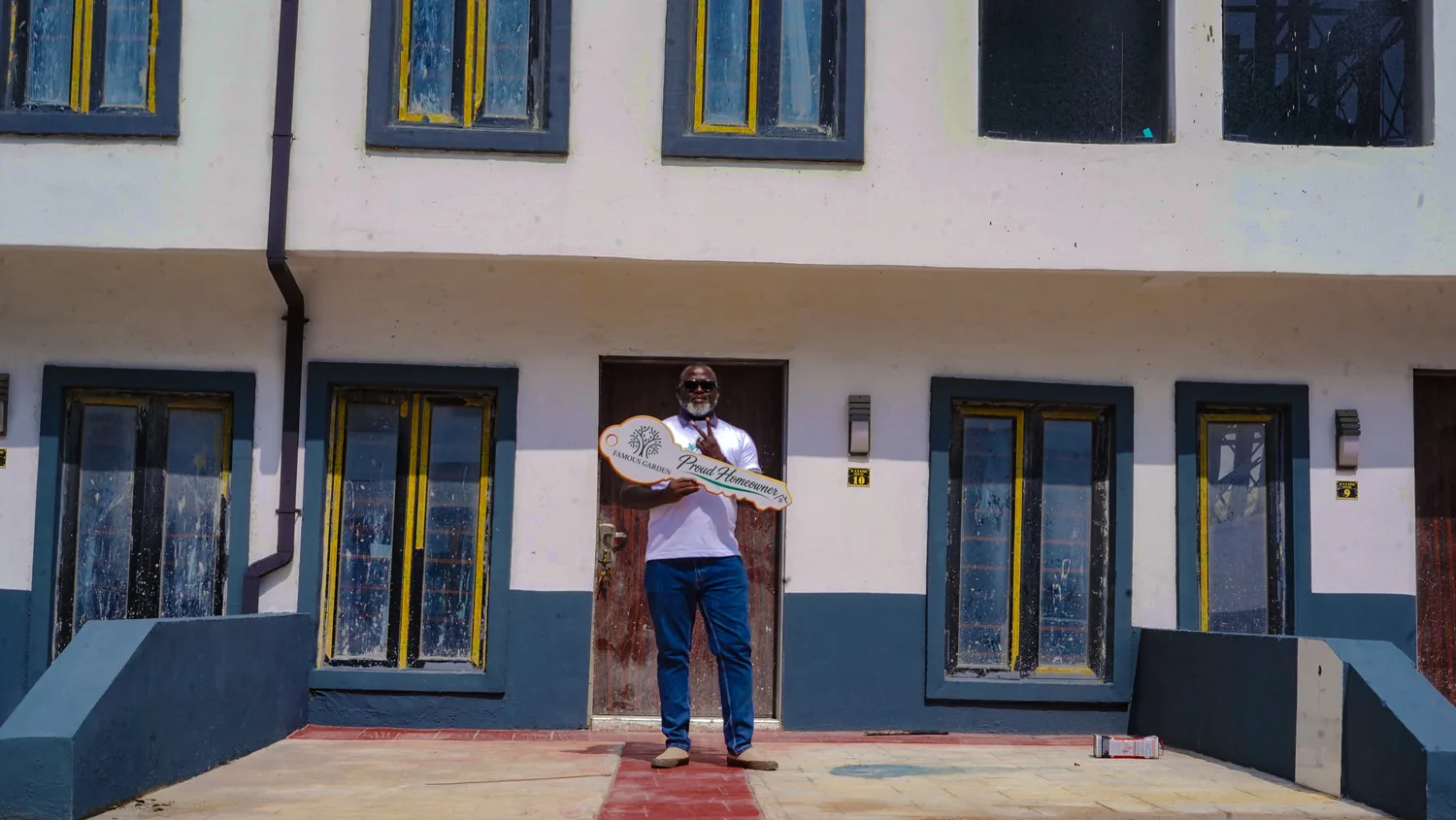
How to prepare for an initial affordability review before proceeding with a home-financing application.
Read article
A practical field checklist for comparing a property with its documents and marketing descriptions.
Read articleINSIGHTS / INSPECTIONS
A practical field checklist for comparing a property with its documents and marketing descriptions.
A site discussion can start useful questions about location, finishes and access. Record what is actually present and seek written verification of features that are merely promised.
Ensure you know the exact project address, meeting point, authorized host and inspection appointment confirmation. Do not assume a requested booking is approved.
Check the surrounding roads, drainage, terrain, estate access, apparent utilities, site boundaries and neighborhood services.
Record material differences between brochures, plans, plot descriptions, current progress and on-site conditions. Ask for written clarifications and verification of all outstanding commitments.
Review the findings alongside title evidence, the proposed agreement and any professional reports. An inspection supports due diligence but does not substitute for legal verification.
Inspection priorities depend on whether the property is land, an occupied home, an off-plan unit or an estate in development. Before the appointment, write down how you expect to use the property and which specifications are essential. Confirm the location, host, time, access requirements and whether a particular unit or plot can actually be viewed. Take the available floor plan, survey or listing reference so that you can compare the physical site with the information supplied.
Look at access roads and the immediate surroundings as well as the building or land itself. Note drainage, potential water accumulation, terrain, visible infrastructure, security access, neighbouring activity, parking and utilities. For a completed building, observe signs of poor finishing or damage and ask how electricity, water and shared services are managed. Where a significant technical concern appears, consider an independent inspection by an appropriately qualified professional instead of making a definitive judgment from appearance alone.
Sales materials can include renderings and proposed amenities that are not yet delivered. Ask the representative to separate existing facilities from planned works and identify the written obligations associated with future completion. Compare the observed property to the floor plan, project photographs and current specifications. Note any variation in room size, plot access, materials, layout or shared areas. A dated follow-up email summarizing outstanding items helps prevent assumptions from becoming part of the decision.
An inspection can narrow your options, but it does not replace legal, financial or survey due diligence. Review the visit notes with the relevant title documents, current pricing and the proposed agreement. Seek clarity on repairs, defects, handover conditions, infrastructure work and any charges that may arise later. If the property still meets your needs, the next responsible step may be to request a current documented offer or independent professional review. A physical visit should improve the quality of your questions, not rush you into paying.


Join the discussion.
Read approved comments and share your perspective. Submissions are reviewed before appearing publicly.
Loading comments…